Англійська мова розробки уроків та методичні рекомендації - Нова українська школа - 2021
Їжа. Фрукти та овочі
Мета:
- повторити лексику теми та активізувати її у вживанні;
- практикувати учнів у монологічному та діалогічному мовленні;
- удосконалювати навички аудіювання, говоріння, читання та письма;
- формувати правильну вимову англійських слів та буквосполучень;
- виховувати зацікавленість до приготування їжі та різних страв;
- закріпити на вправах вивчені граматичні структури та правила.
Обладнання: презентація PowerPoint, картки з тематичними малюнками, дошка, додаткові завдання, комп’ютер.
Хід уроку:
I. Підготовка до сприйняття іншомовного мовлення.
1. Привітання й повідомлення теми та мети уроку.
Учні співають пісню «Hello»
Hello! Good morning!
How are you? How are you?
Hello! Good morning! Hello! Hello!
How are you? How are you?
I am fine. Thank you. (4 times)
Hello! Good morning! Hello! Hello!
How are you? How are you?
I am fine. Thank you. (4 times)
T: Hello, children. How are you today?
Ps: We are fine, thank you. How are you?
T: I’m fine, too. Thank you. Sit down, please.
2. Уведення в іншомовну атмосферу
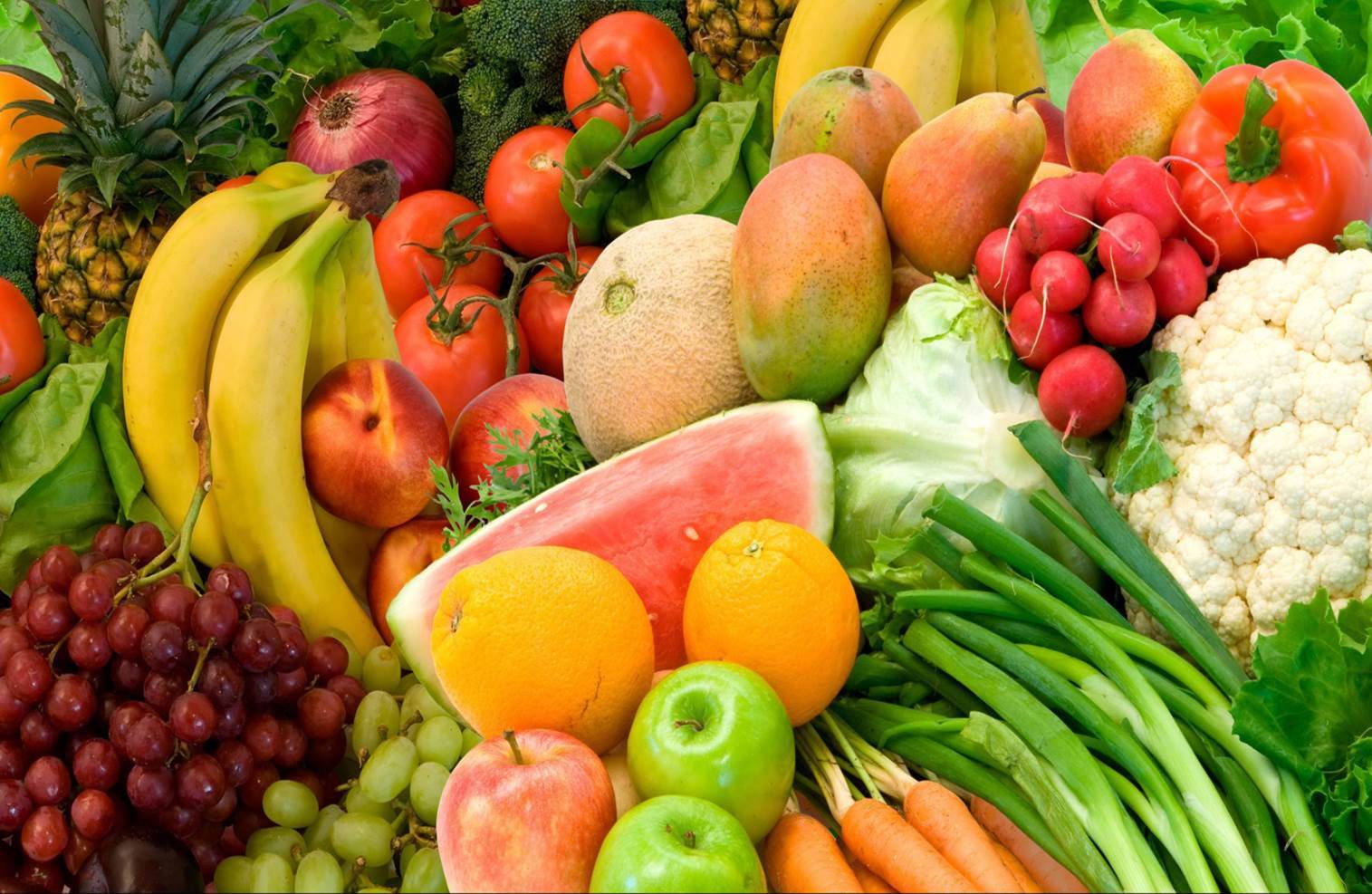
T: Look at the blackboard, please. What can you see there?
Ps: We can see fruit and vegetables.
T: Tell me, please. Do you like fruit?
Ps: Yes, we do.
T: Do you like vegetables?
Ps: Yes, we do
T: Let’s recite the poem. Do you remember?
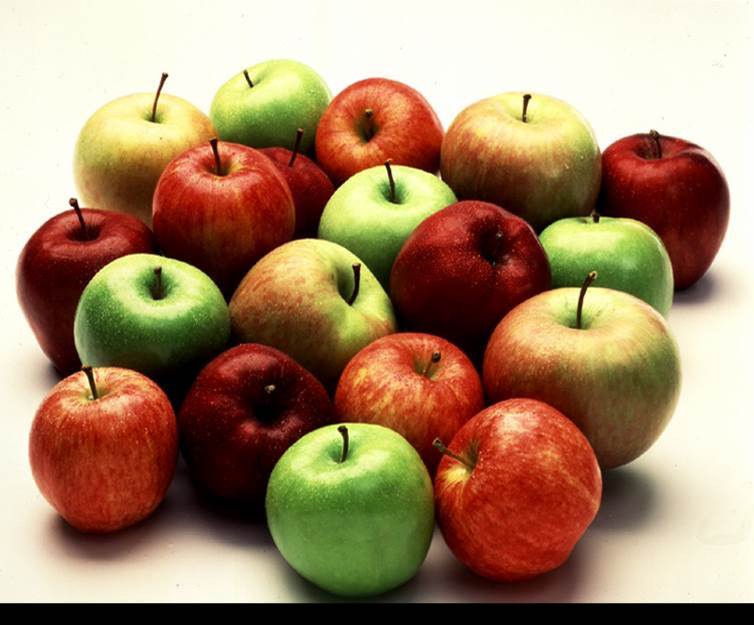
Apples are sour,
Apples are sweet.
Apples are juicy
And nice to eat!
T: Now tell, please, that poem individually.
P1: ….
T: So the topic of today’s lesson is «Fruit and vegetables»
II. Основна частина уроку.
1. Повторення ЛО теми «Фрукти та овочі»
T: Let’s revice what fruit and vegetables you know.
P1: It is a cucumber.
P2: It is a cabbage….
1. Гра «Making words»
T: Well, done. Now look at the blackboard, please. You can see there some letters. Your task is to make as many names of fruit and vegetables as you can.
A, O, I, C, B, G, N, R, T, M, E
P1: Carrot
P2: Onion
(Carrot, onion, tomato, banana, orange, cabbage)
2. Гра «Guessing rhymes»
T: Now guess what fruit or vegetable is it? And show it.
Read please and guess.
✵ It is a vegetable. It is green and long. (a cucumber)
✵ It is a vegetable. It is round and green. (a cabbage)
✵ It is a fruit. It is round and red. (an apple)
✵ It is a fruit. It is round and yellow. (a lemon)
✵ It is a vegetable. It is long and orange. (a carrot)
3. Гра «Chain drills»
T: OK. Your home task was to prepare some fruit and vegetables. Now say each other what fruit do you like? Look at the computer what fruit does Masha like?
Ps: She likes apples.
T: She likes apples and I like lemons. (and take a card of a fruit)
P1: Masha likes apples I like bananas.
P2: Masha likes apples, she likes bananas and I like oranges.
P3: Masha likes apples, she likes bananas, he likes oranges and I like apples.
T: Now tell me please who likes bananas?
Ps: …. likes bananas.
T: Who likes oranges?
Ps: … likes oranges.
T: Who likes apples?
Ps: … likes apples.
T: Who likes lemons?
Ps: Nobody likes lemons.
4. Розвиток навичок читання
T: Now let’s practise reading. Fill in the words from the word list and guess what picture is it.
I Like to Cook
I like to________. I always help my mother in the  . On Sunday my father and I go________. We buy
 and
and  . My mother cooks family_______. The father helps her. I like to cook fruit
  . I take two
  , three
  , two
, two  ,
,  and
and  . The salad is ready. We always have tasty dinner on__________.
Слова для довідок: shopping, cook, Sundays, dinner
5. Фізкультхвилинка.
T: Well done, children. I see you know the vocabulary and you can use it in your speaking. But now we must have a rest. Let’s do and act.
Clap your hands (2). Listen to the music
And clap your hands.
Stamp your feet (2). Listen to the music
And stamp your feet.
Turn around (2). Listen to the music
And turn around.
Jump up high (2). Listen to the music
And jump up high.
Clap your hands.
Stamp your feet.
Now turn around.
And jump up high.
6. Повторення і закріплення граматичного матеріалу вживання a, an, some з назвами фруктів та овочів
1) Повторення правила використання неозначених артиклів а/аn та слова some з назвами фруктів та овочів
Використовується комп’ютерна презентація, вчитель разом з учнями коментує правило.
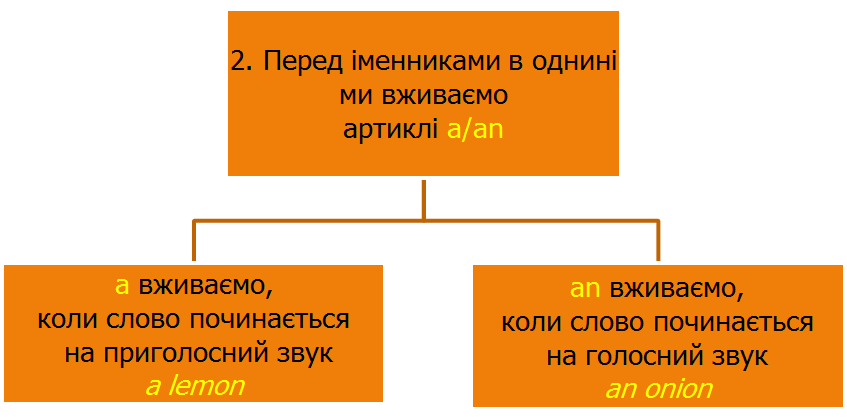
T: Давайте пригадаємо коли ми вживаємо слово some а коли артиклі a, an.
P1: Some вживається перед злічуваними іменниками у множині та незлічуваними іменниками (трохи, кілька, декілька)
P2: Артикль а, an ми вживаємо з назвами продуктів у однині.
P3: Артикль а вживається коли слово починається на приголосний звук, а an коли слово починається на голосний.
2) Виконання вправи на закріплення матеріалу
Учні отримують слова з назвами продуктів, які потрібно розмістити у три колонки з a, an, some.
T: Now, your task is to divide these words into three columns with a, an, some: lemon, bread, soup, orange, tea, egg, sugar, onion, tomato, milk, cabbage, apple.
Lemon, bread, soup, orange, tea, egg, sugar, onion, tomato, milk, cabbage, apple
|
A |
An |
Some |
7. Розвиток навичок діалогічного мовлення
T: Now let’s act out the dialogue «In the shop» that you learnt at home.
P1: - Good morning!
P2: - Hello!
P1: - Can I have two apples and three oranges, please?
P2: - Here you are. Anything else?
P1: - Yes, one cucumber and two tomatoes, please.
P2: - Here you are.
P1: - Thank you. Good bye.
P2: - Good bye.
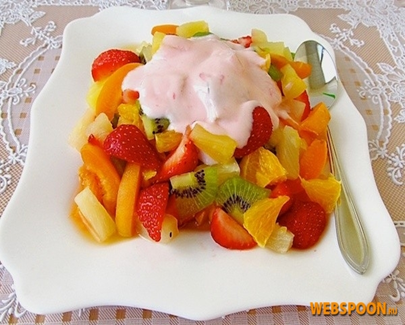
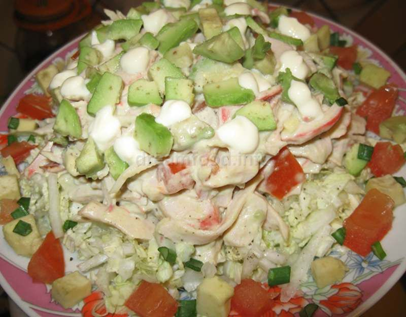
8. Проектна робота (учні готують фруктовий і овочевий салати)
T: Now I’ll give you papers and you have got some cards of fruit and vegetables. Your task is to make salads. The first group make a fruit salad and the second — vegetable salad. Stick your fruit and vegetables on the papers.
T: Well, done now let’s present your projects. How do you make your salads?
9. Пісня «Cooking» (magic English)
T: At the end of our lesson let’s sing the song «Cooking»
Cooking, cooking
I like to cook
Eating, eating
I like to eat
Eating, eating
It’s fun to cook
And eat together
Together, together
III. Заключна частина уроку.
1. Підведення підсумків уроку
T: You worked well today. You worked a lot. You were speaking, reading, listening, writing. You have got such marks today…. .
2. Домашнє завдання
T: Your homework for the next lesson is to do ex. 1, 2, 3, p. 47 (WB)